
Shakespeare Theatre Company: Assume the Mantle, Expand Impact
Legacy Project
James McNamara, with his team, managed the research and created the brand strategy and naming changes, nomenclature, and brand architecture for the Shakespeare Theatre Company while he was Managing Director, Strategy and Branding at LaPlaca Cohen.
Current Situation
When a cultural organization launches an inaugural brand strategy and visual identity such as this, where none previously existed, this type of initiative can become a template for a future refresh of strategy and identity.
This was the result for the Shakespeare Theatre Company, which has since updated its visual identity, building off the foundation that this branding project achieved.
Changes in the Washington DC arts scene, STC artistic and executive management, the Company’s venues and their use, brand architecture, and education programs, all necessitated updates to how STC spoke about itself and looked in an evolving cultural environment.
Original Situation
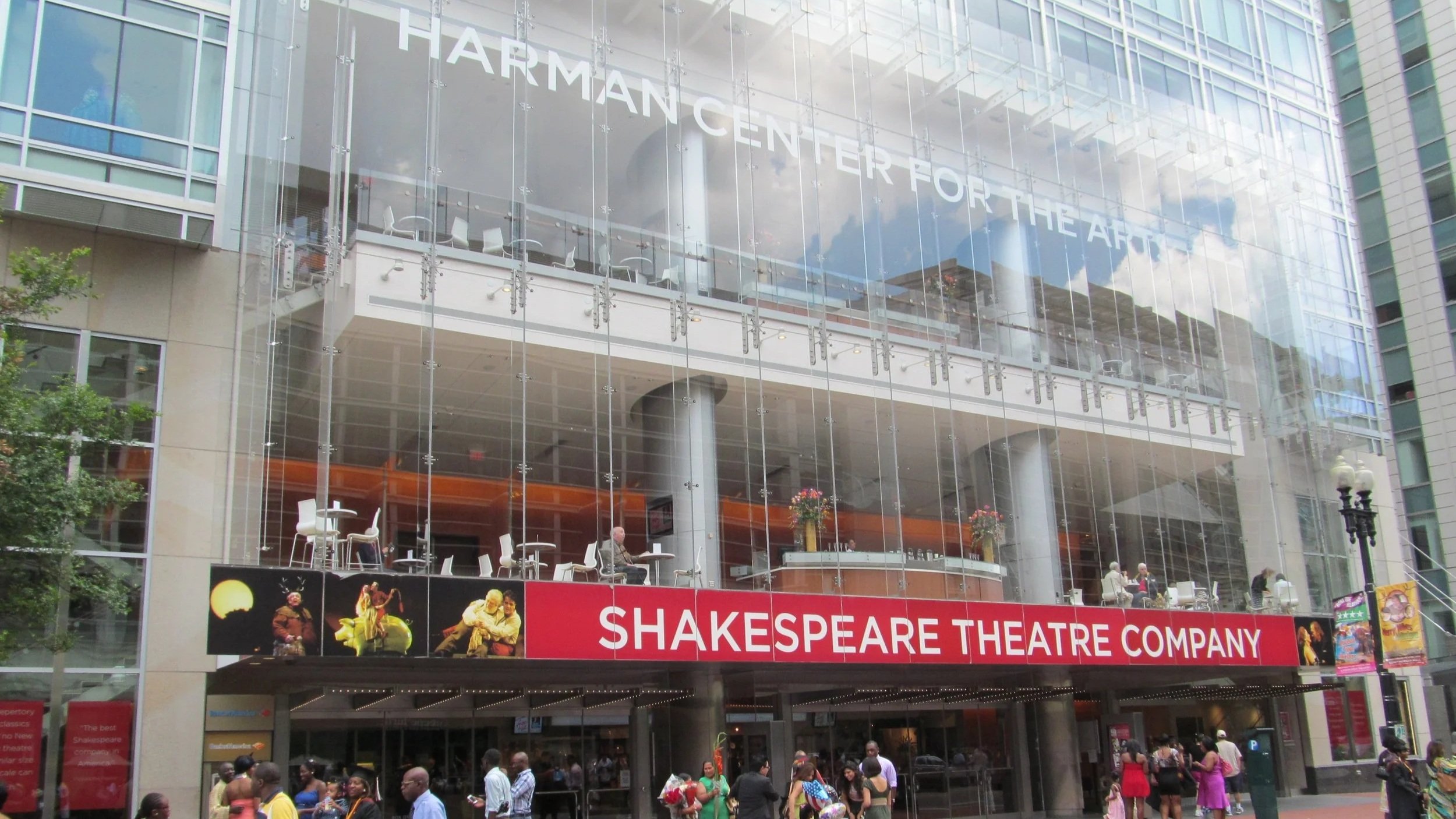
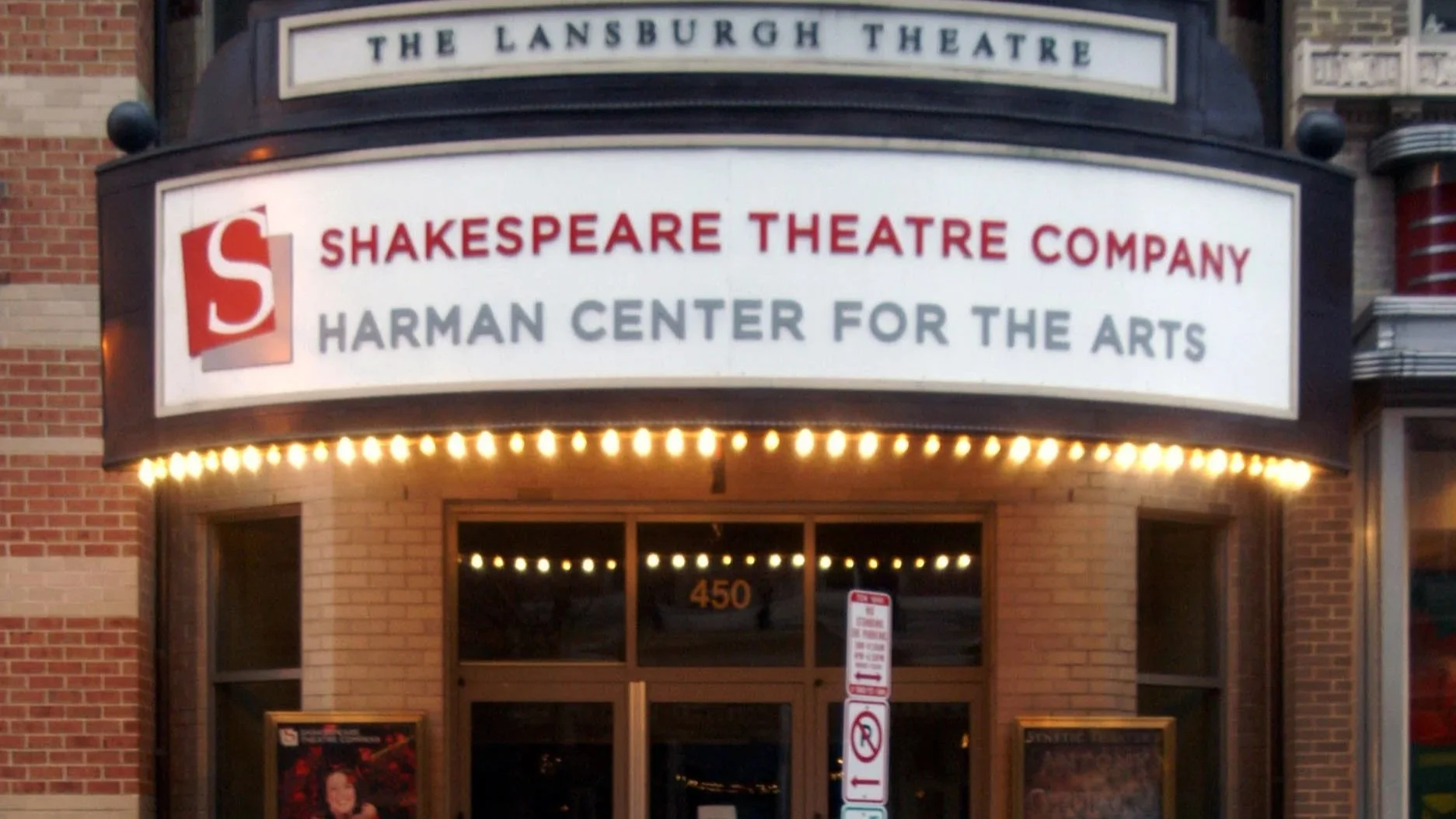
Since its founding in 1985, the Shakespeare Theatre Company (originally, The Shakespeare Theatre) has established a solid reputation as the national leader in classical theatre and an international leader in Shakespearean theatre. Building on this success and looking to expand its audience and programming, the Company launched a capital campaign to build a new state-of-the-art performing arts center, the Harman Center for the Arts.
Qualitative and quantitative research found that, despite the strength and quality of its productions, the Company’s then name did little to generate audience interest or communicate the brand that the Company wanted. Also, many audiences interpreted the name as referring to the Company’s original venue in the Folger Shakespeare Library, from which it had moved years ago.
The Company wanted to shift audience perceptions away from confusion with a past venue and towards the organization itself as the creative force behind productions, an important distinction for the success of its capital campaign.
Strategy
James and his team designed and executed a comprehensive strategic initiative to assess the company’s strengths and differentiating characteristics, which served as the basis to create a brand strategy and visual identity.
Extensive research—including internal and external interviews, as well as focus groups—clarified the Company’s primary goals: showcasing the Company’s repertory actors along with national and international performers and productions; supporting expanded programs in arts education; and engaging and stimulating an ongoing artistic dialogue among all the performing arts in the Washington, DC area.
We worked with the Company to modify its name. With “DC” as part of its website name and “In the Nation’s Capital” as its tagline, the Company seemed regional, focused only on Washington, DC, and not national or even international in scope or perception. By eliminating DC and the tagline, we then added “Company” to the name, a nomenclature commonly used in the theatre field. This emphasized the organization, rather than confusion with a venue. The Shakespeare Theatre Company name then better defined the core attributes to be associated with the Company: accessible, American, diverse, pre-eminent, vital.
We then created a Position Statement, Position Pillars, and Image Attributes that formed the backbone of the Company’s new Branding Strategy.
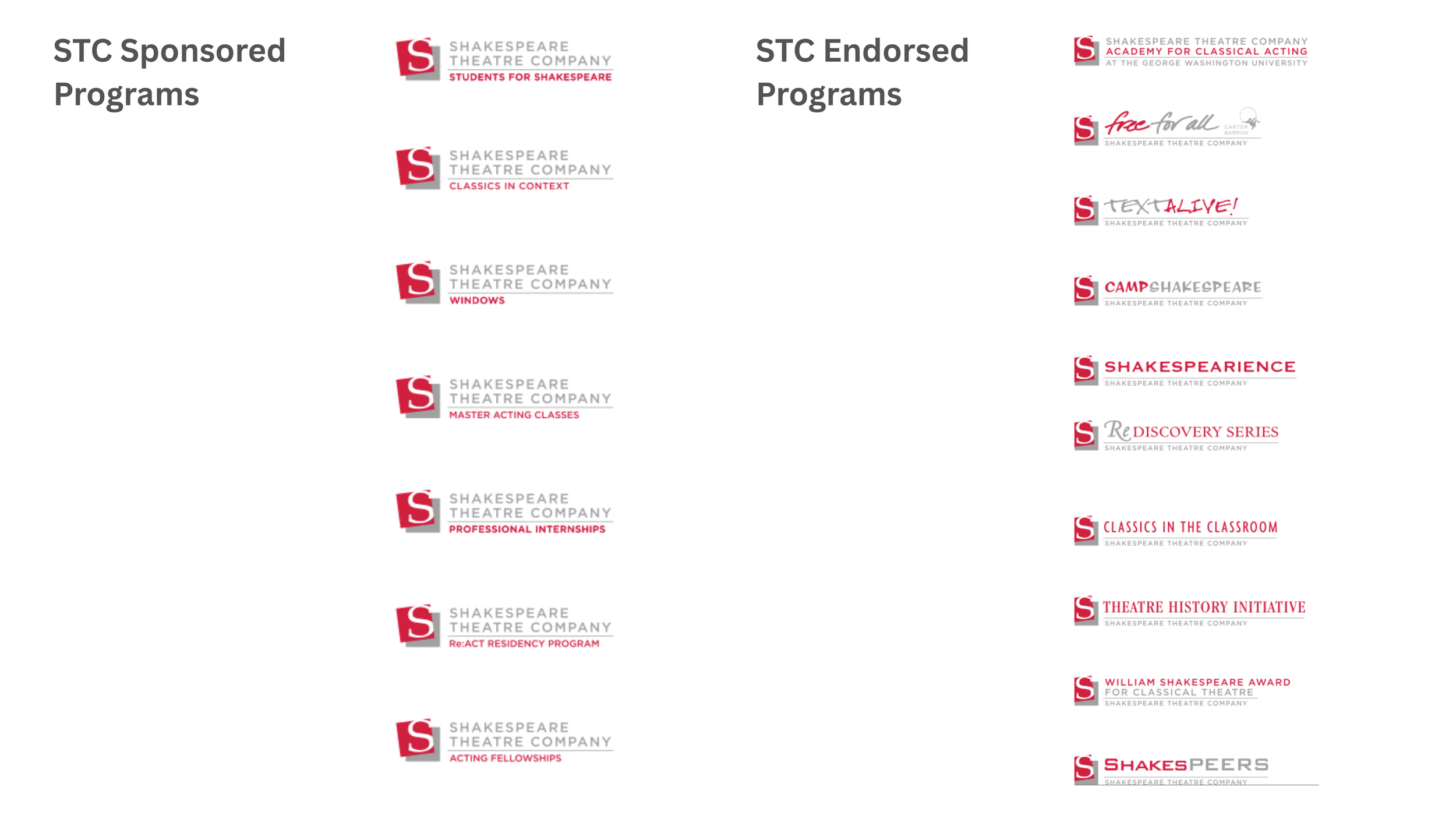
We also created a nomenclature system that clearly defines the organization with the Company as the presenter, distinct from venue names and locations, and modified the Company’s brand architecture system for its programs and events to convey those that were sponsored and those that were endorsed.
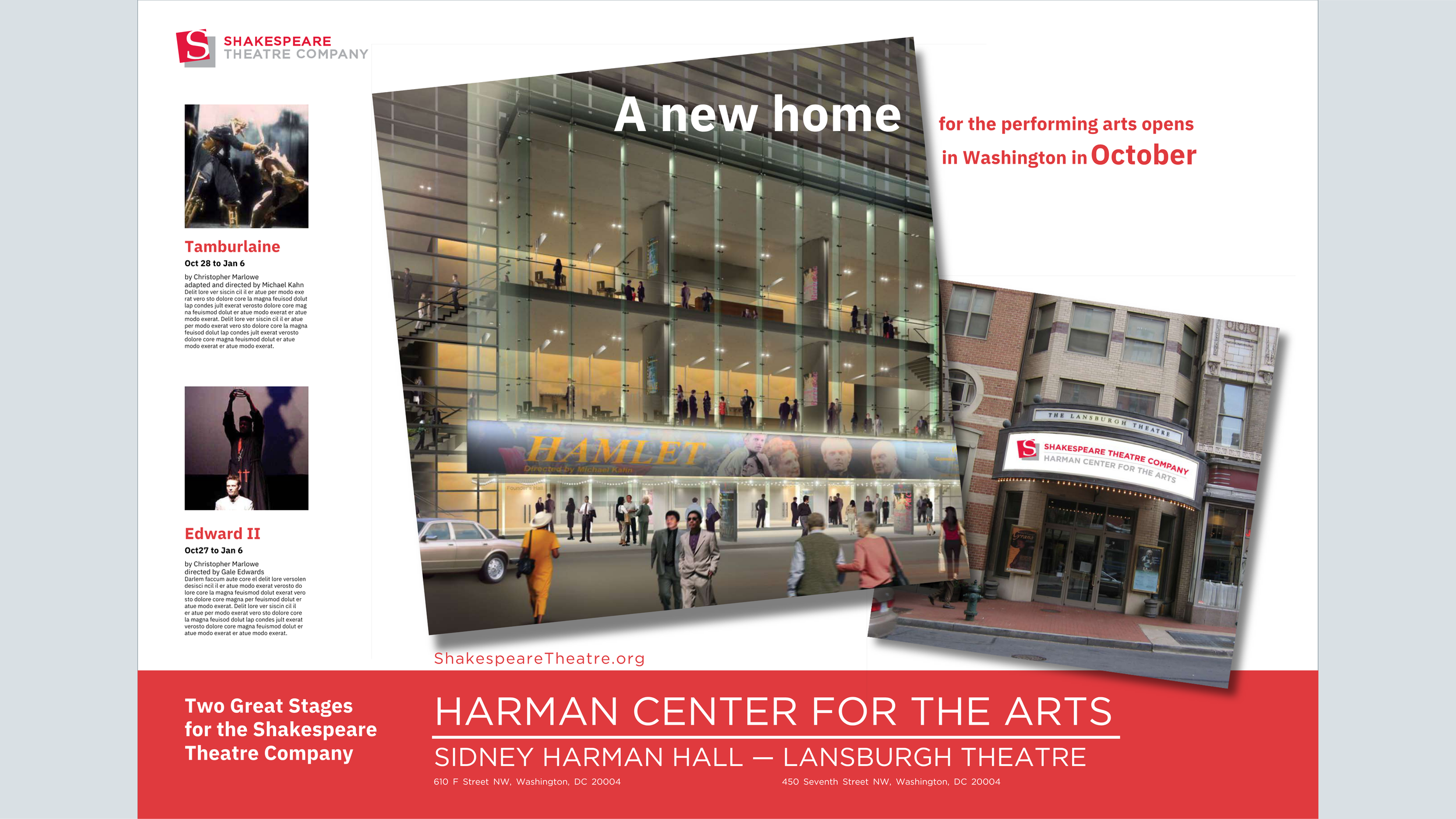
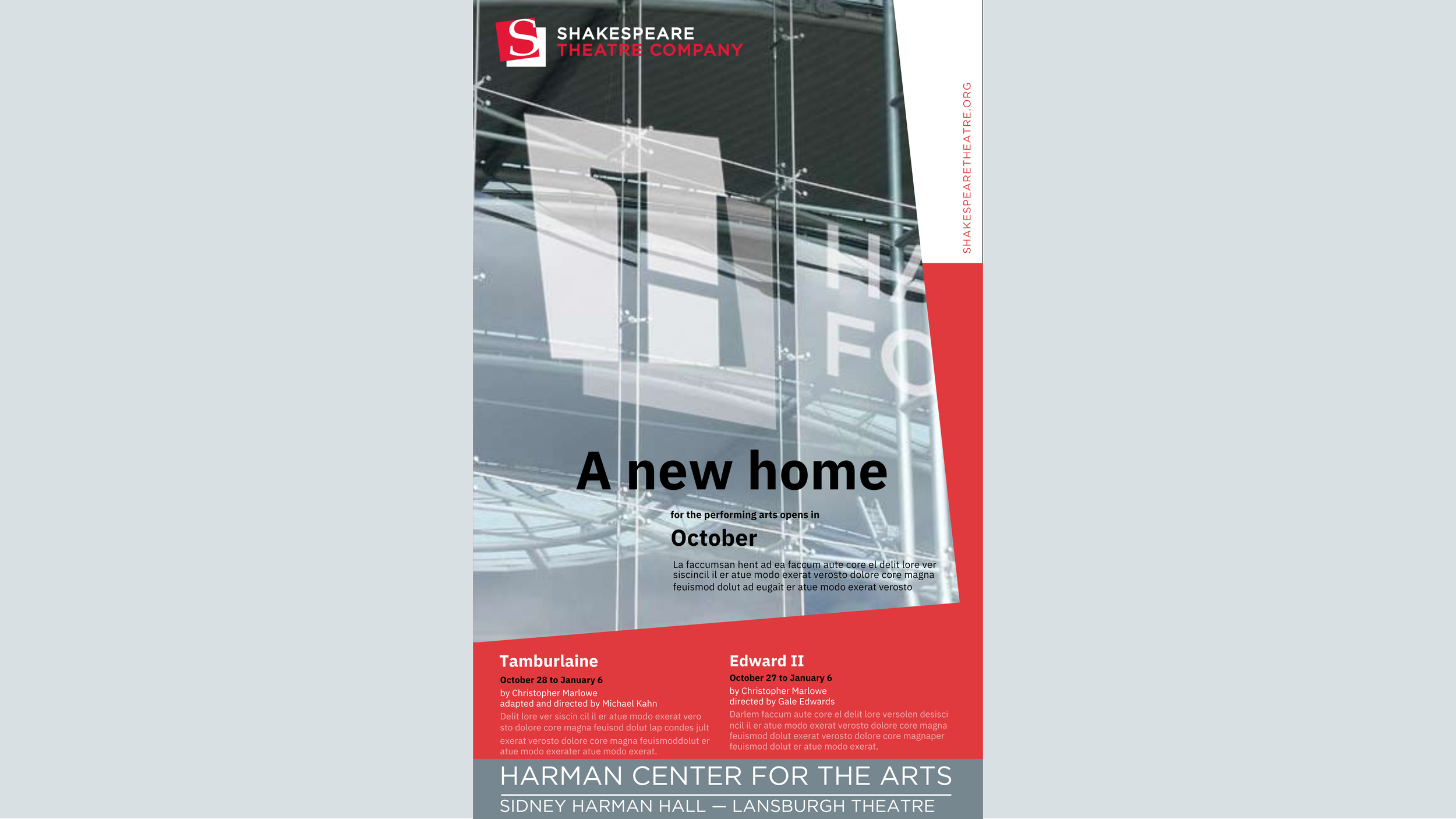
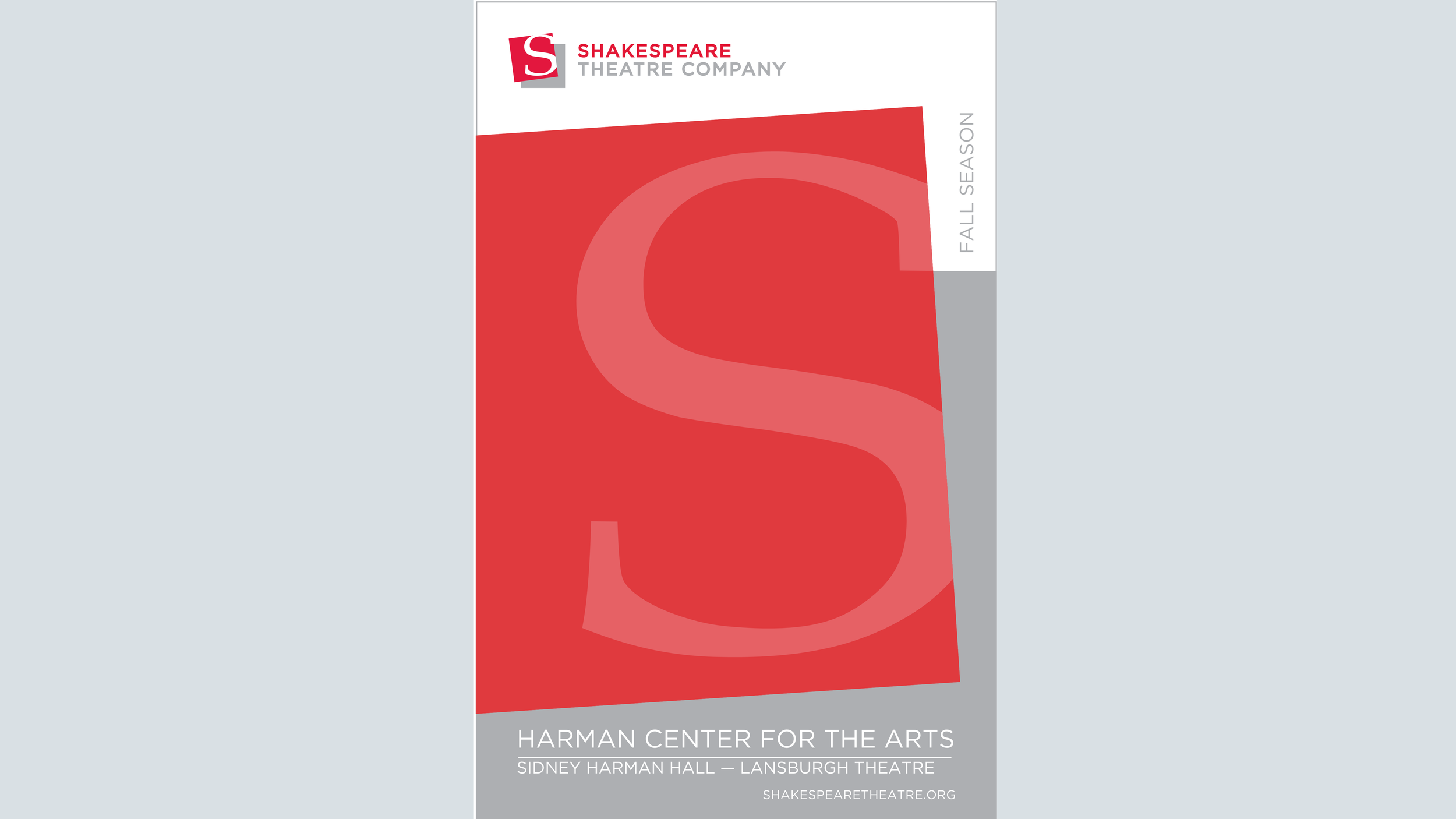
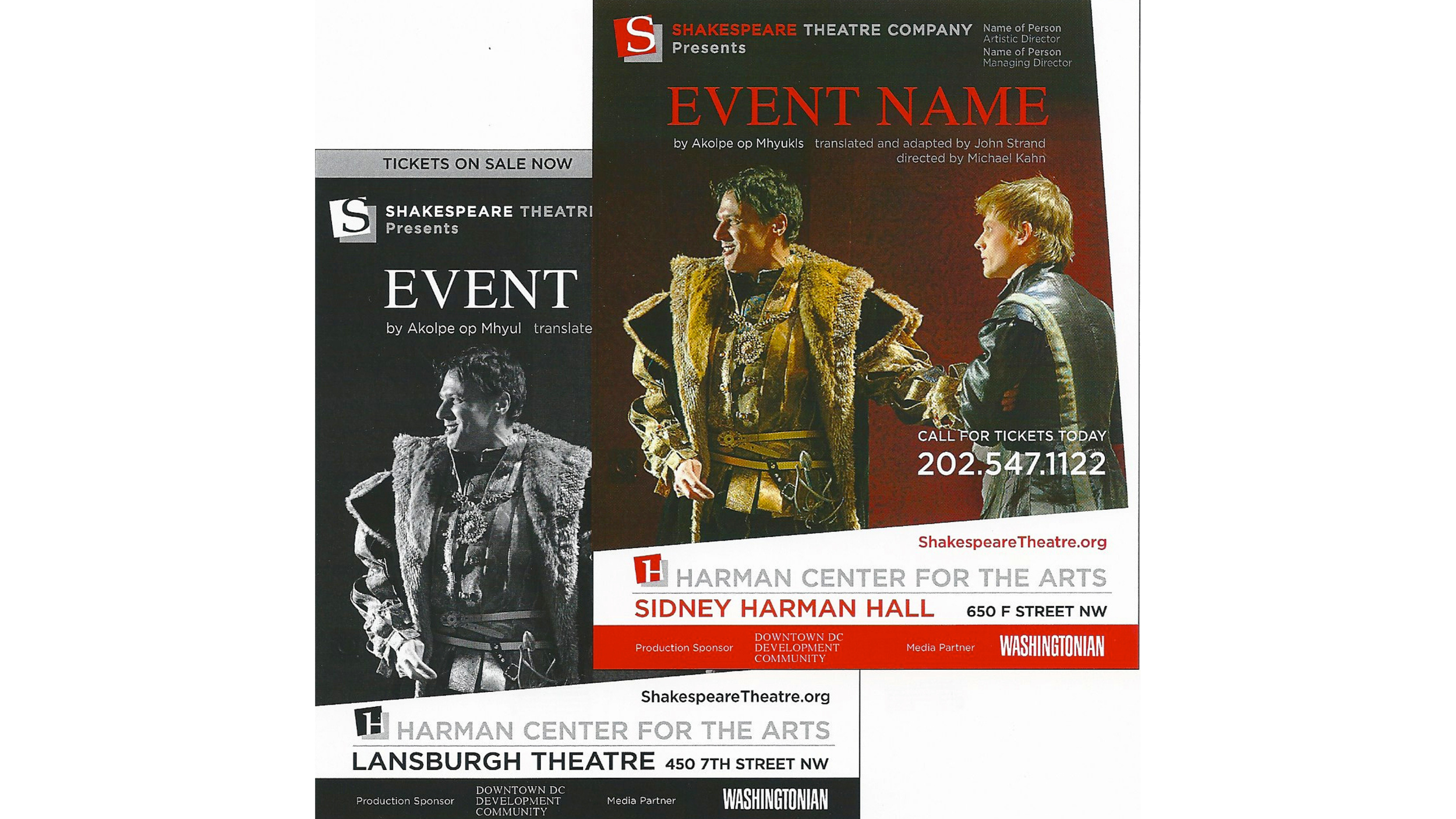
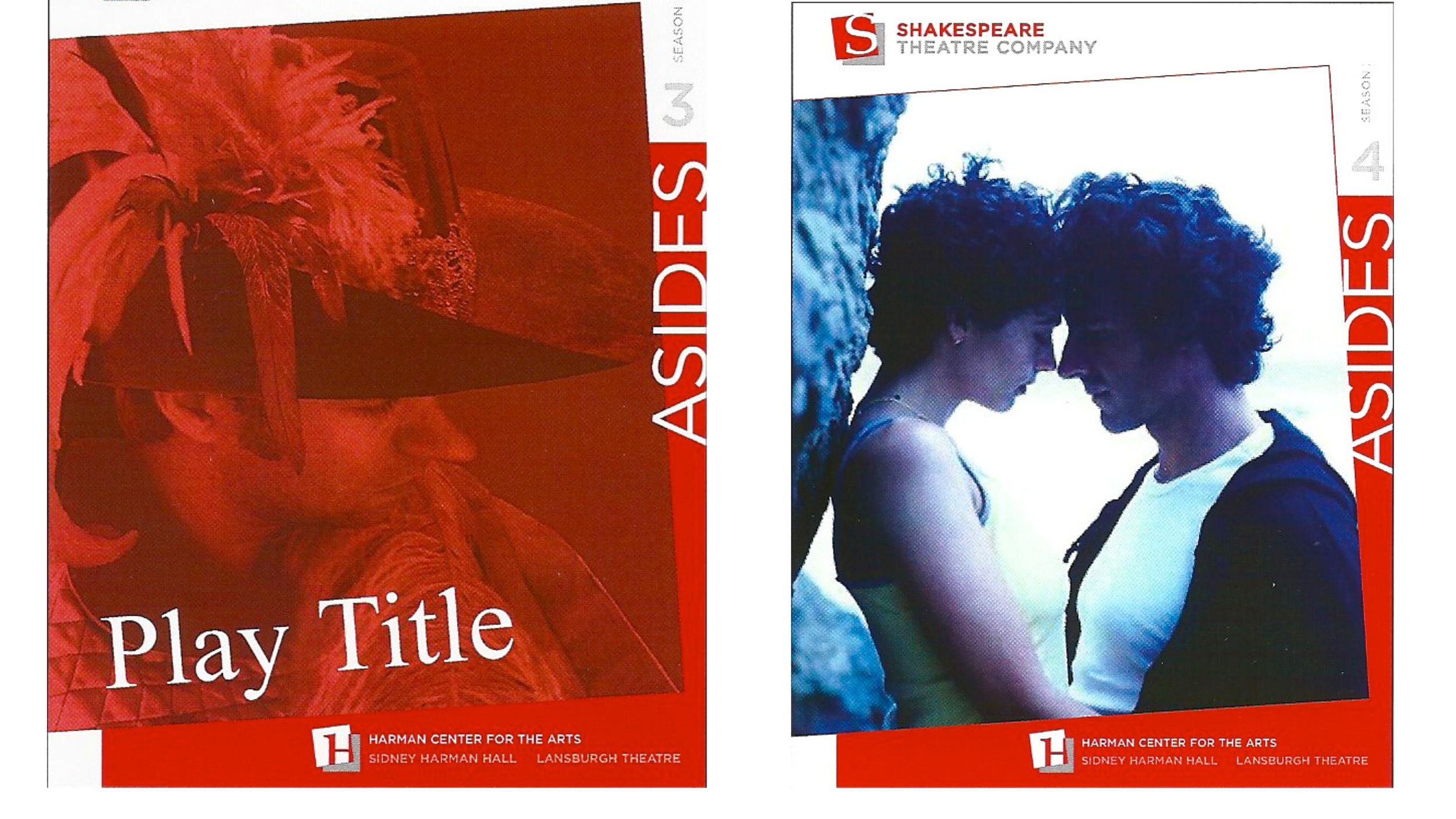
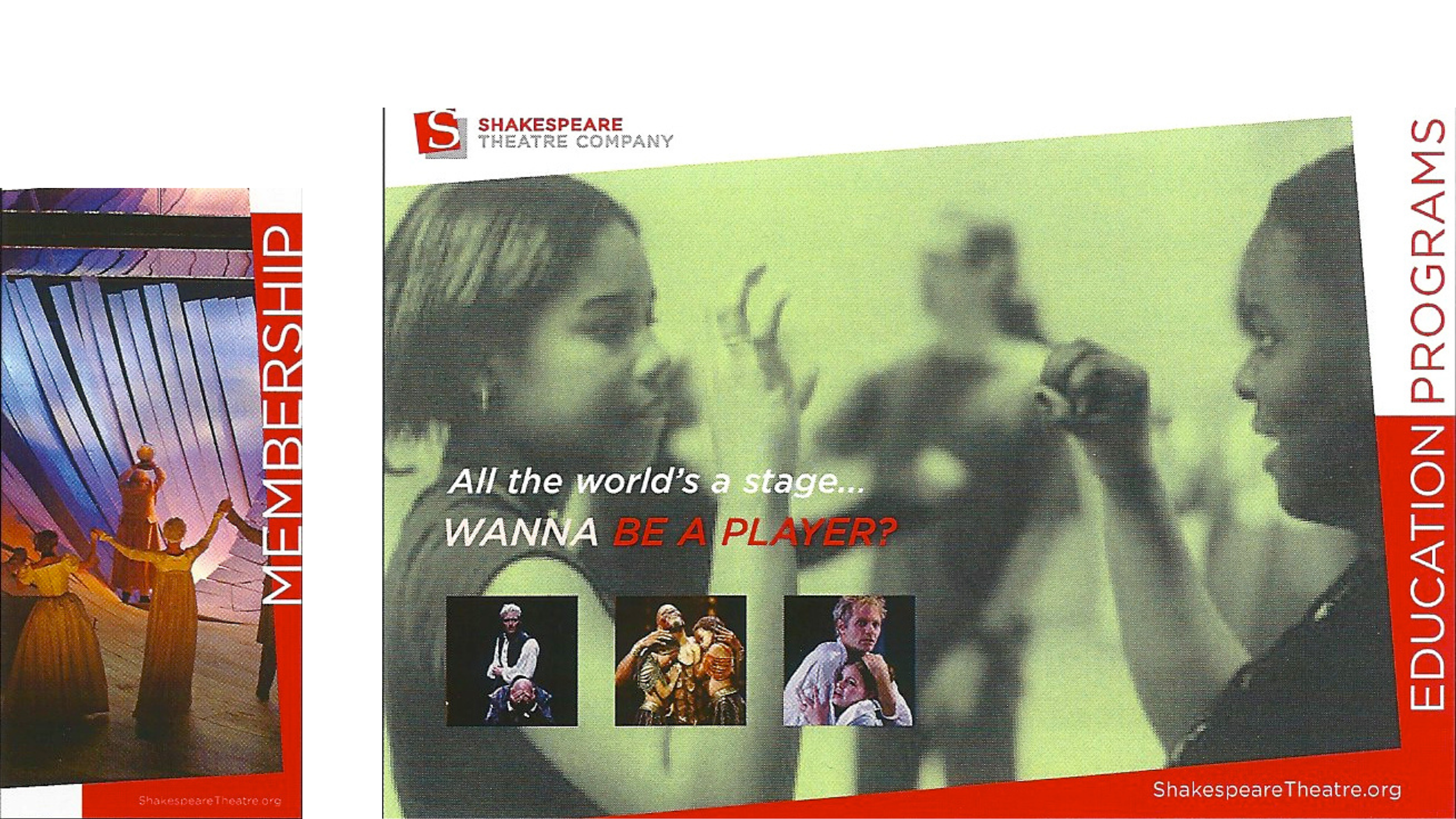
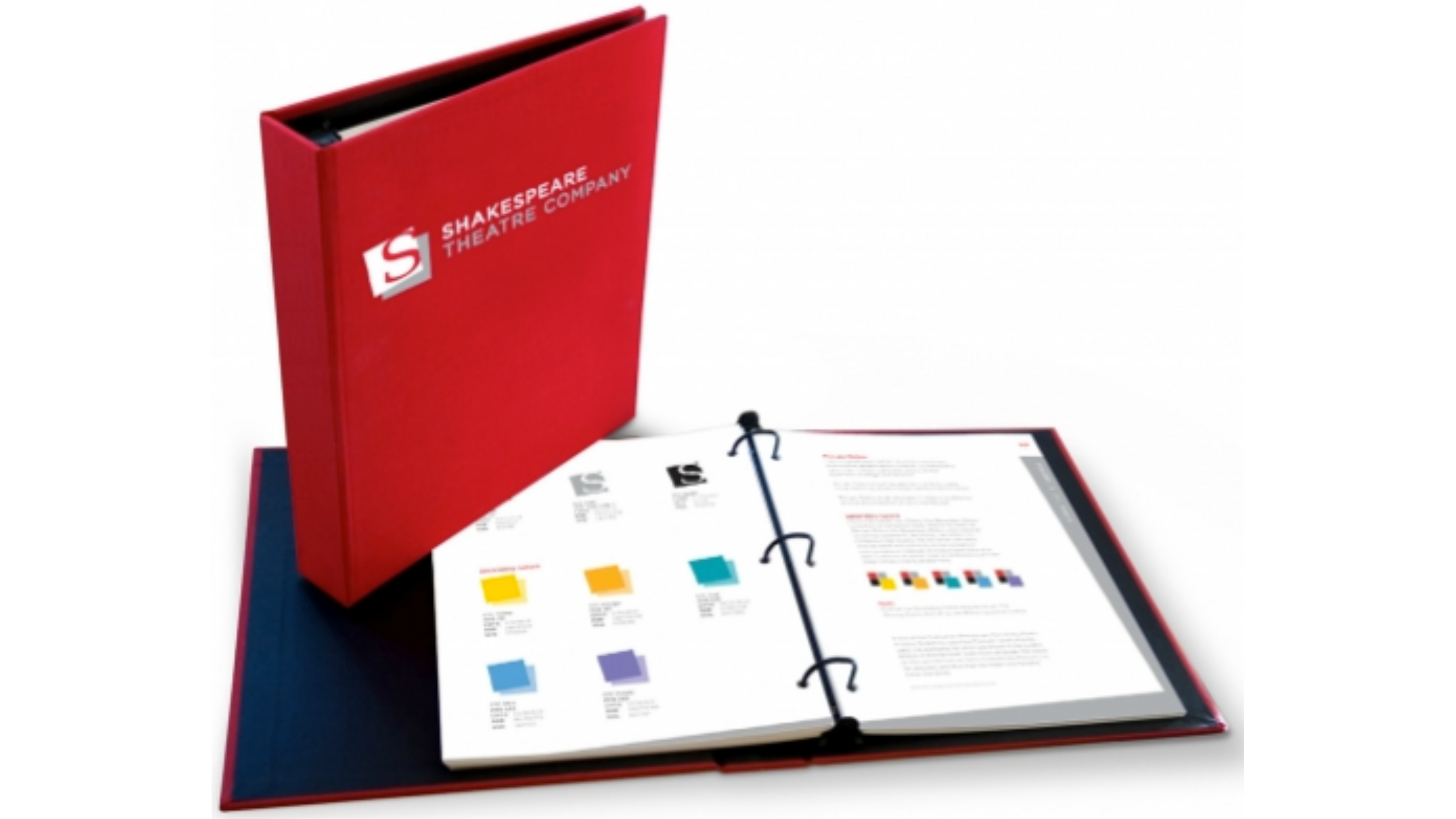
Finally, to support the brand strategy graphically, we created a visual identity, including a logo based on theatrical scrims, typography families, and a color palette, as well as designs for digital ads, a digital stationery system, and print communications materials, including posters, brochures, pamphlets, postcards, and advertising.

Benefit
The Company incorporated its new name, nomenclature, and brand architecture system into the launch of its capital campaign, underscoring the exciting changes as part of the Company’s evolution and expansion. The new name also provided the Company with a scalable visual identity that easily identified its new and existing venues.
The Company’s new visual identity effectively communicated its new positioning as accessible, diverse, innovative, and vital. The visual identity brought together the Company’s brand and related sub-brands into a visually cohesive family, enabling it to showcase expanded programming while making it clear that the Shakespeare Theatre Company owns, manages, and programs its Harman Center for the Arts, which encompasses Sidney Harman Hall and the Landsburgh Theatre.
An opening campaign featuring print and transit ads helped launch the Company’s new Harman Center in a way that was bold, clear, and defining.
Result
The opening of the Company’s Harman Center for the Arts was greeted with exceptional enthusiasm—opening gala tickets were sold out before invitations had been sent—and the Company’s new image was consistently affirmed in the press.
The Washington Post commented that excitement surrounding the opening “indicated ... the exceedingly good vibe the Company has managed to generate in Washington” and noted that STC “is metamorphosing into a multipurpose performing arts organization”.
The New York Times, described the new facility [Harman Center for the Arts] as “ ‘the newest and grandest’ of Washington’s recent spate of new theatre construction, truly an apt realm for the lives and deaths of Shakespeare’s kings.” The Times described the inaugural production as “an adventurous move that seems intended to show off the new theatre’s [Center’s] ample resources and to remind the theatre world that the Shakespeare Theatre Company is no one-trick pony.”
