Lumberyard: Positioning a Catalyst in Contemporary Performing Arts
Lumberyard.org
• Research & Analysis • Position Statement • Position Pillars • Image Attributes • Organization Tagline Consultation • Usage Guidelines

Opportunity
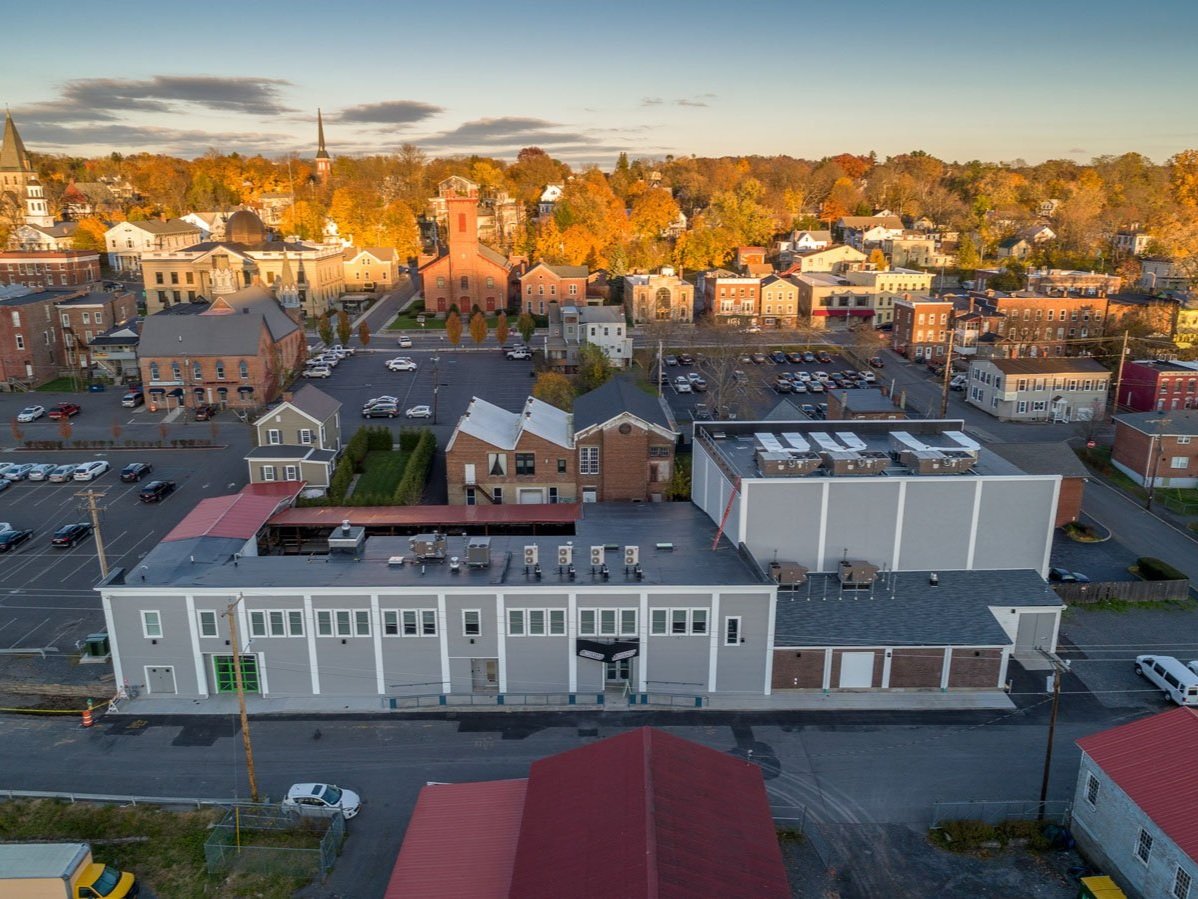
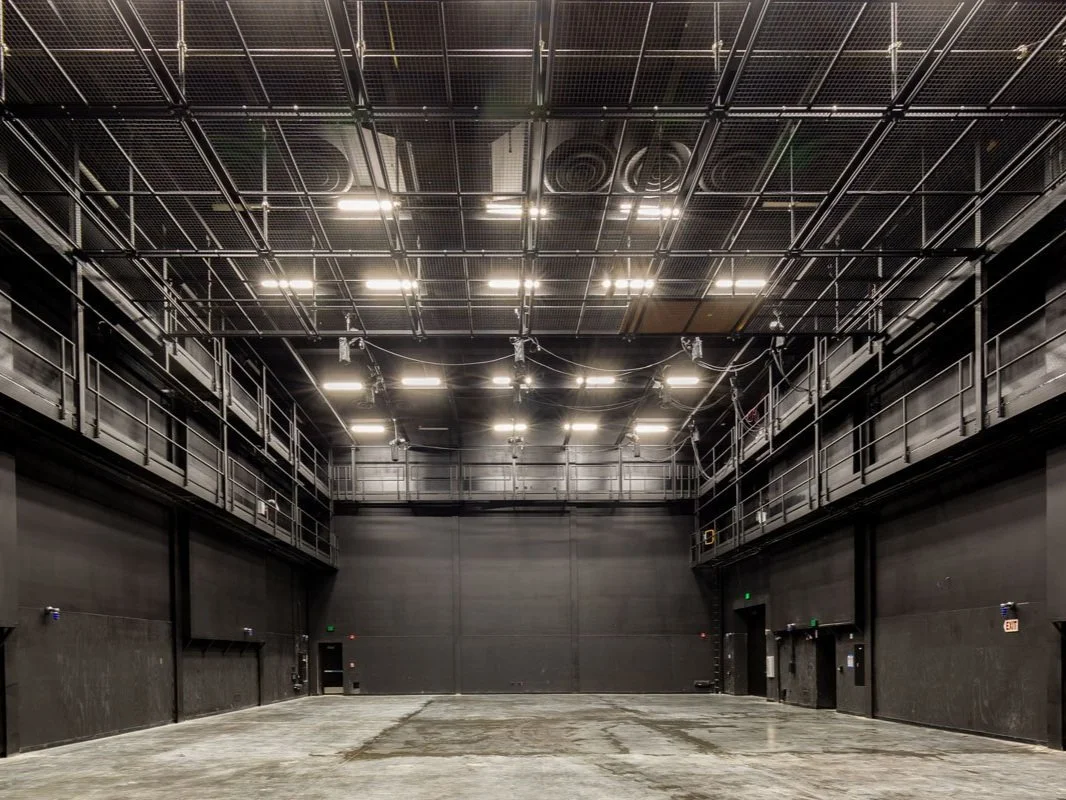
Lumberyard Contemporary Performing Arts, or as they were known at the time, ADI | American Dance Institute, came to Arts Branding with a new mission, a new name, and an anticipated facility in upstate New York at a former lumberyard in downtown Catskill.
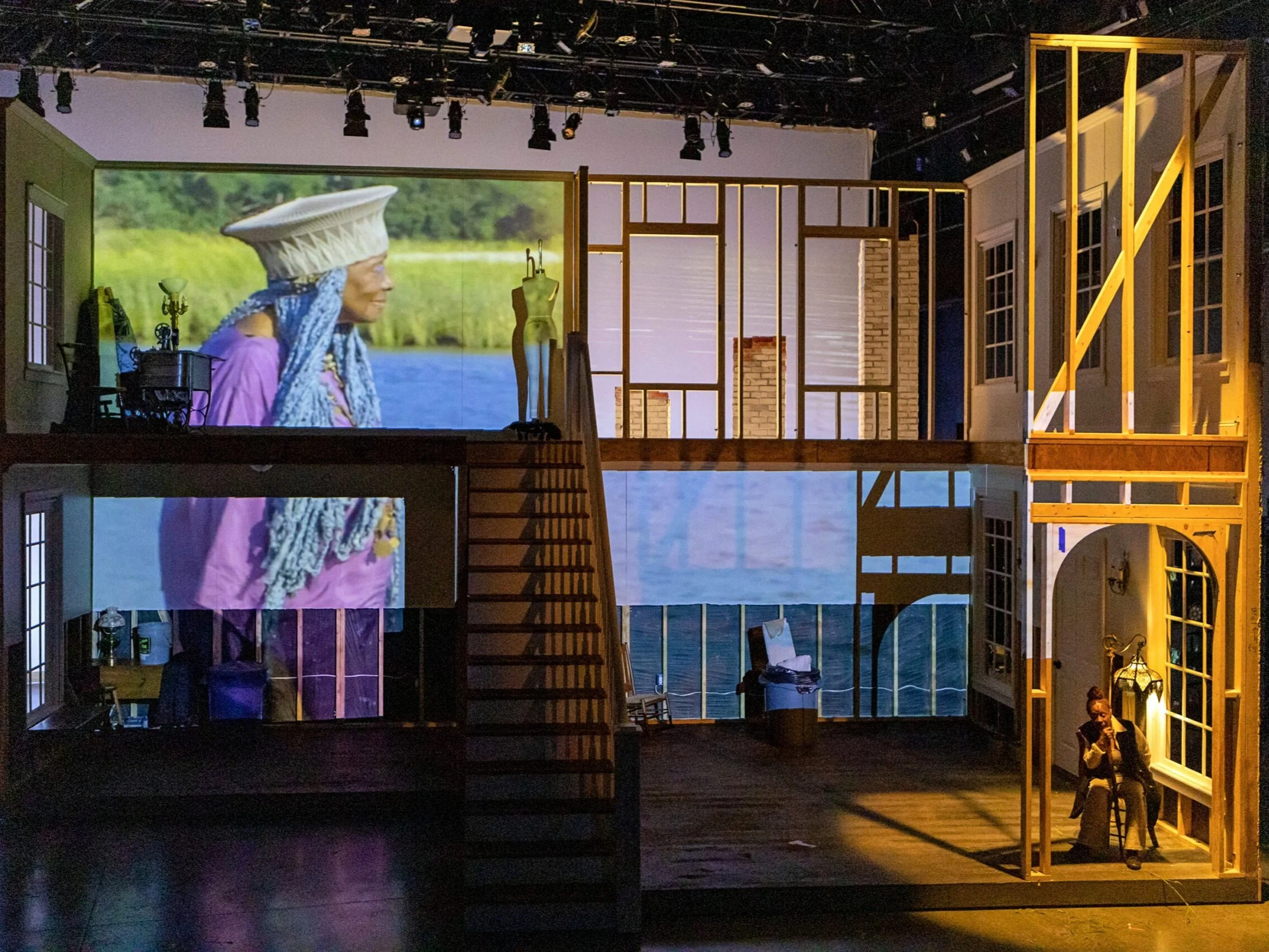
Through their observation of the contemporary performing arts field, Lumberyard saw a significant gap in its infrastructure. Artists needed economical, premiere-focused residencies where they could work out the final technical details of their new performance pieces to prepare them for premiers.
Whereas middlemen functions were being eliminated in countless fields, Lumberyard saw the pivotal need to put themselves in the middle—to be the innovative nexus among artists, venues, and audiences and propel the contemporary performing arts form forward.
Solution
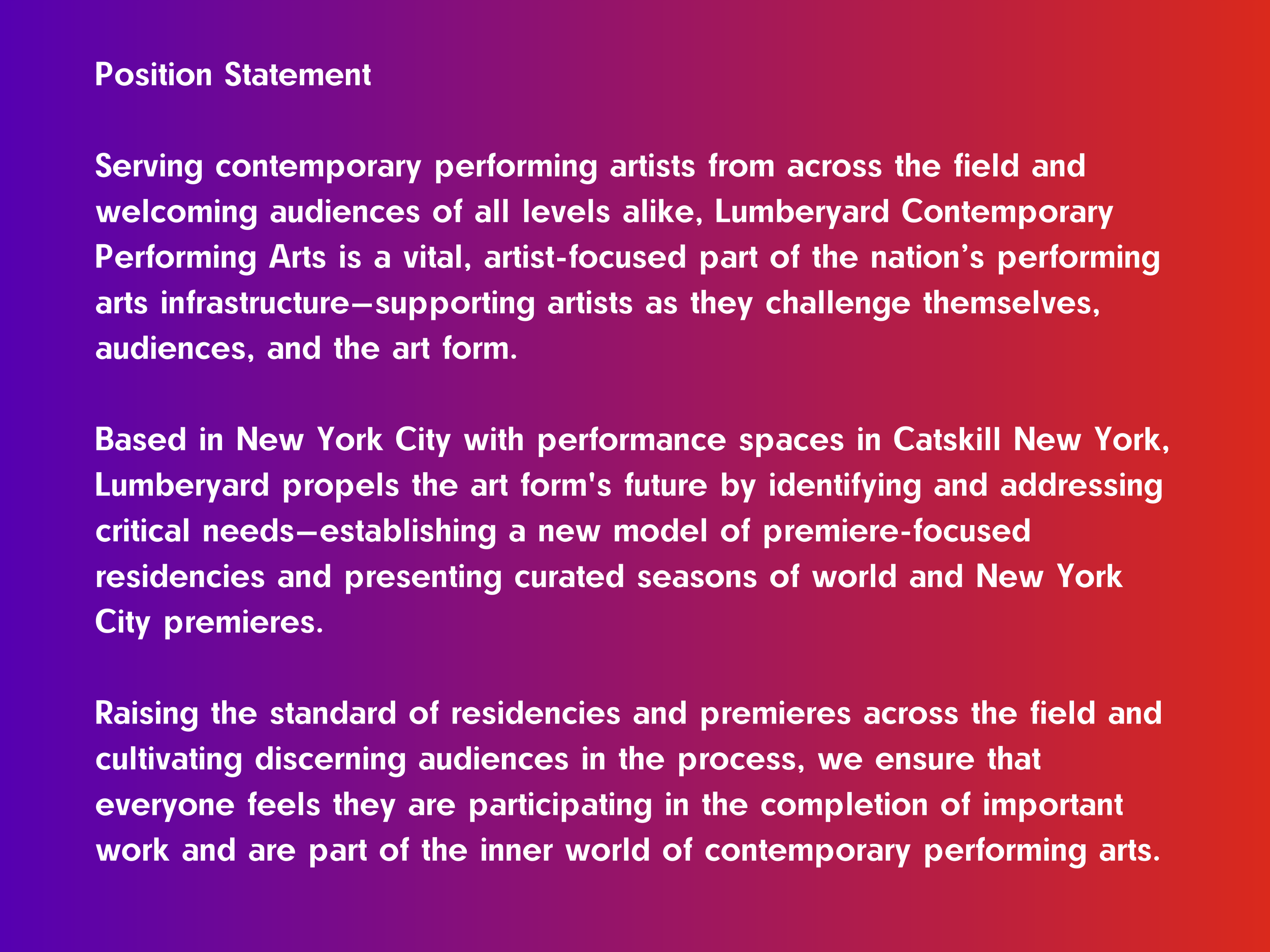
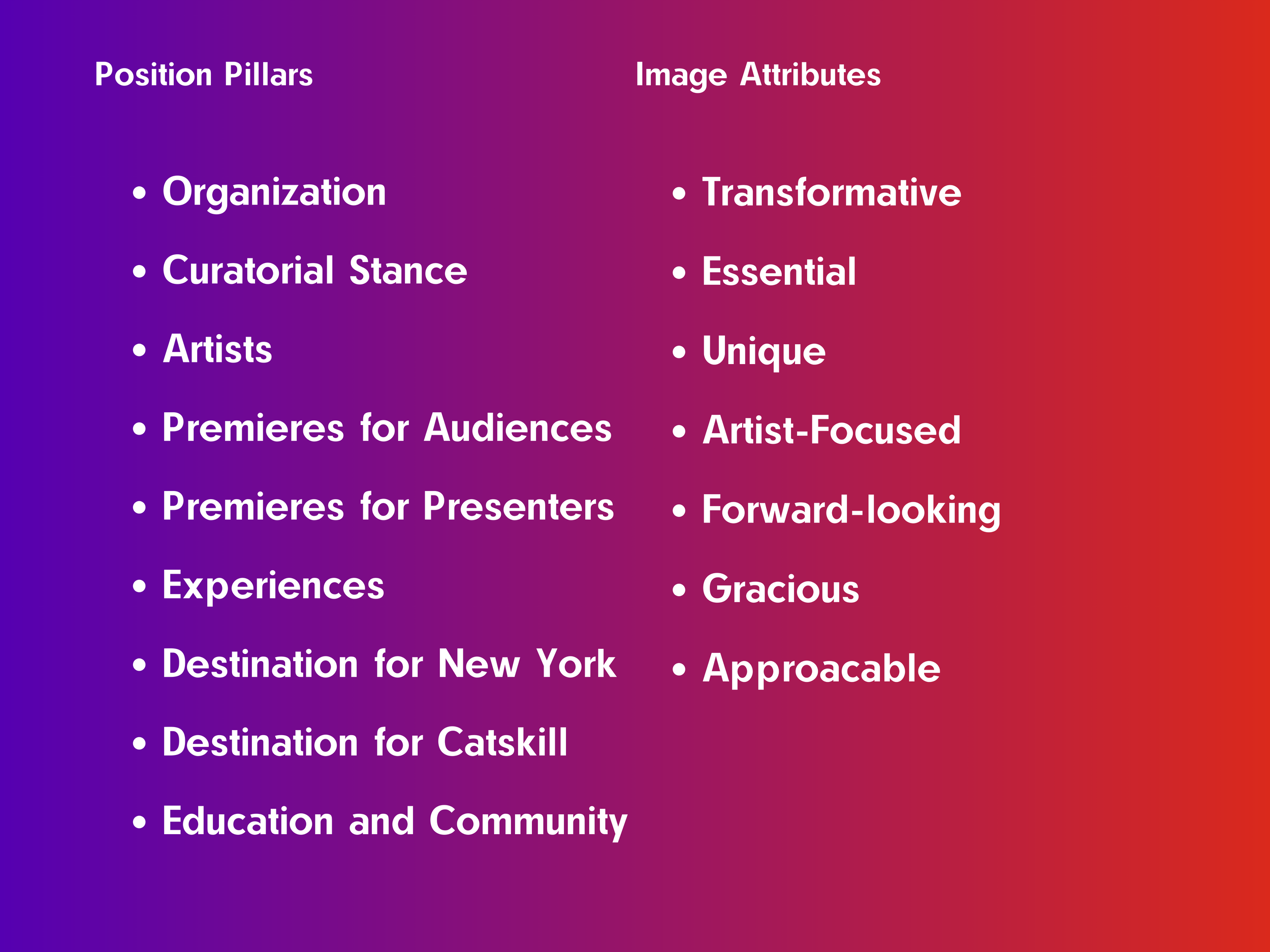
Lumberyard was a quickly evolving organization that needed a position statement and position pillars to help communicate the organization at an overarching level and image attributes to help inspire its graphic image, graphics, and imagery.
Arts Branding worked with executive and senior management, Lumberyard’s organizational change consultant, and staff over several refinement sessions for each communications tool.
In each session, Arts Branding guided Lumberyard in defining, creating, refining, and finalizing these three important communications tools. These would be paramount in guiding organization development, marketing, fundraising, education, and more.
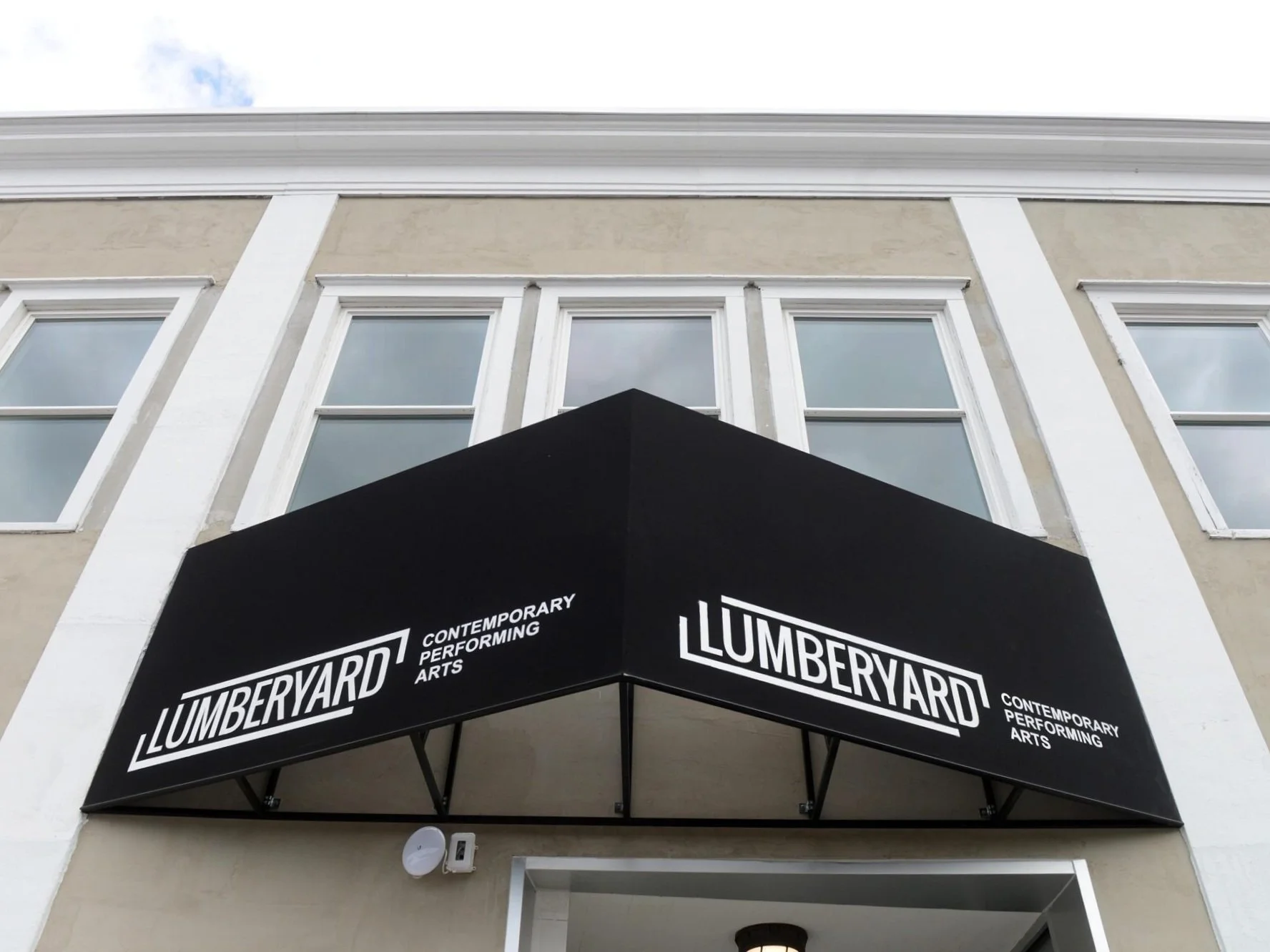
Arts Branding also consulted on Lumberyard’s organization tagline and persuaded them to include “Contemporary Performing Arts” as a descriptor with their logo.
Impact
Lumberyard could transition into their new cultural role and facilities with communications tools they helped create themselves and in which they were invested.
Staff could speak and write about the organization with clarity, brevity, and confidence.
Artists and audiences could immediately understand this unique organization and the role it would take in helping shape the contemporary performing arts field.